Nose Reshaping (Rhinoplasty)


As the central feature of your face, your nose plays a defining role in your overall profile and facial harmony. Whether you are bothered by a prominent dorsal hump, an asymmetrical bridge, a drooping tip, or structural breathing difficulties, rhinoplasty offers a comprehensive solution.
Patients across Katy and the greater Houston area trust board-certified plastic surgeon Dr. B. Allen Rodgers to provide customized rhinoplasty and septoplasty procedures. By combining advanced aesthetic precision with structural functional repair, Dr. Rodgers creates natural, balanced results that complement your entire face.

Surgical reshaping of the nasal bone and cartilage to refine external appearance and correct internal airway obstructions.
Outpatient procedure performed under general anesthesia and typically taking 2 to 3 hours.
Smooths nasal humps, refines the tip, straightens crooked alignment, restores natural breathing, and enhances facial balance.
Most patients return to work within 7 to 10 days, with initial swelling clearing quickly and final contours settling over several months.
Rhinoplasty, commonly referred to as a nose job, is a surgical procedure that reshapes the internal structures and external contours of the nose. It can address aesthetic goals alongside functional breathing concerns to deliver a natural, proportional profile.
Surgical techniques can increase or reduce the size of the nose, refine the shape of the bridge and tip, or narrow the span of the nostrils. The procedure requires a thoughtful approach that prioritizes long-term structural support alongside cosmetic improvement.
Many people seek improvements in their nose for the outward appearance, but there can also be problems with the internal structure. Difficulty breathing through the nose can be a result of trauma or injury, or simply the way your nose developed from birth. The bone and cartilage wall separating the two nasal passages is called the septum and can be deviated to one side or the other, causing an obstruction of airflow.
Septoplasty can remove this bulging or deformed portion of bone and cartilage and straighten your air passages.
In certain patients, a turbinectomy can also open the nasal air passages by reducing the turbinates (internal projections that warm and moisturize the air that passes through the nose). The end result is better airflow and less difficulty breathing through your nose throughout the day, while sleeping, or during exercise.
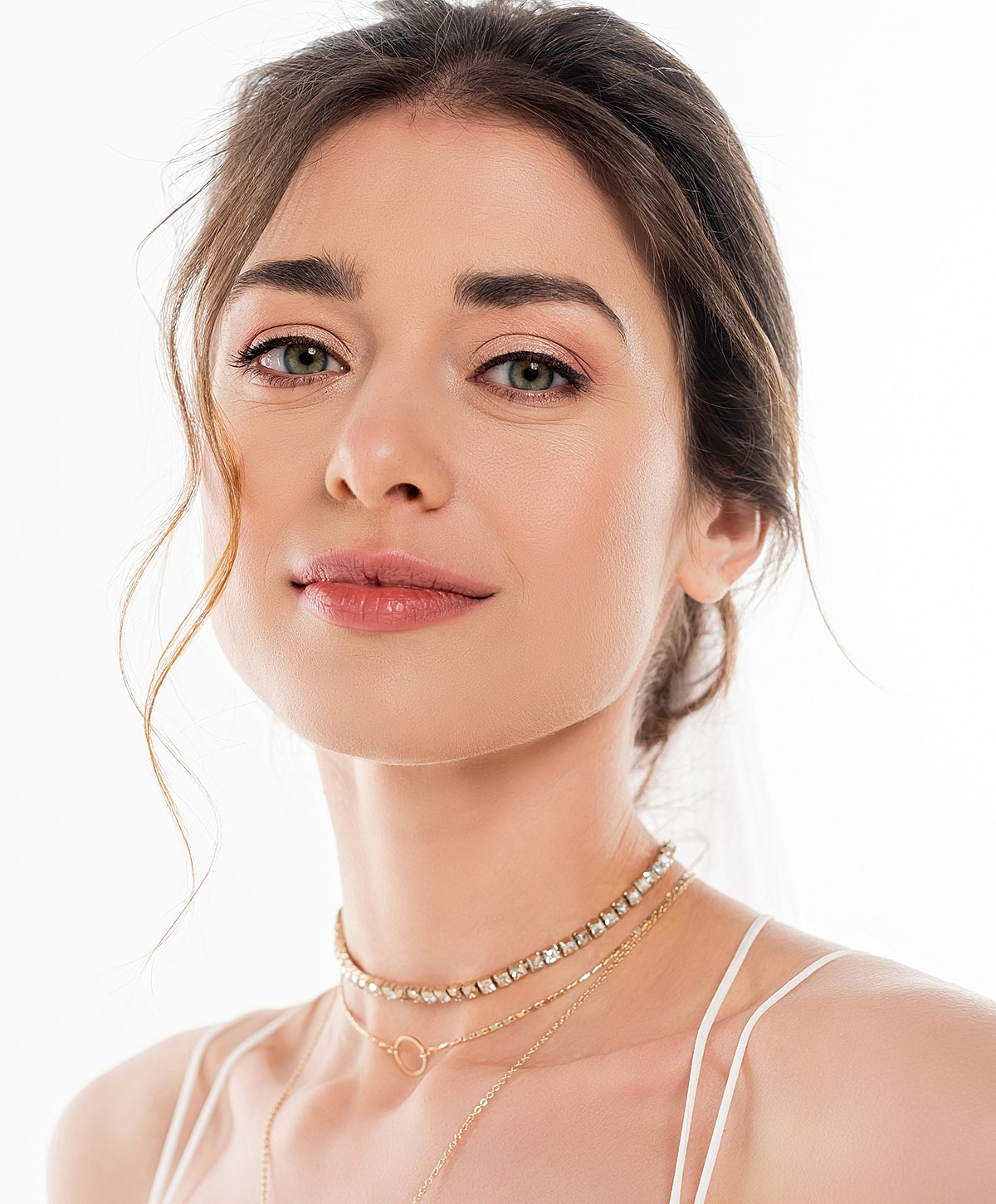
Depending on your unique anatomical needs, functional concerns, and aesthetic goals, Dr. Rodgers selects the most appropriate surgical method to reshape your nose and restore clear breathing.

Modifications are performed through a small, discreet incision across the columella (the narrow strip of skin between the nostrils). This method affords better visualization of the underlying bone and cartilage for procedures requiring more extensive corrections.
In a closed rhinoplasty, all surgical incisions are placed inside the nostrils, leaving no external scars. While this approach offers a slightly shorter recovery and works well for targeted adjustments, it provides limited access for nasal tip sculpting or delicate cartilage reconstruction.
This functional surgical technique focuses on straightening a deviated nasal septum. By removing or re-aligning bulging portions of internal bone and cartilage that block the nasal passages, a septoplasty removes airway obstruction to improve breathing.
In some cases, enlarged nasal turbinates are responsible for obstructed airflow. These small, shelf-like structures along the inside walls of your nose warm and moisten the air you breathe. Reducing enlarged turbinates widens your nasal passages, improving breathing and comfort.
Your journey begins with a private consultation with Dr. Rodgers. Treatment planning is a collaborative process guided by your goals and Dr. Rodgers' expertise. He carefully evaluates your facial proportions, nasal anatomy, and internal airway structure to design a personalized treatment plan.
Rhinoplasty is an outpatient procedure performed under general anesthesia. Dr. Rodgers accesses the underlying nasal framework using either an open or closed surgical approach.
Depending on your goals, surgery may involve reducing a prominent dorsal hump, adjusting nasal size or projection, refining the nasal tip, or correcting functional concerns. The procedure is performed through small internal or external incisions, which are skillfully closed to promote smooth healing and a minimal, discreet scar.
Rhinoplasty treats a full spectrum of aesthetic and functional concerns, including:
Reduces visible bumps or ridges along the nasal bridge.
Straightens internal cartilage to clear blocked airways and ease breathing.
Refines a bulbous, drooping, hooked, or overly prominent nasal tip.
Aligns nasal structures following trauma, injury, or natural growth.
When a profile view shows that the nose and chin are out of balance, rhinoplasty may be combined with chin augmentation. The result is a stronger, more balanced profile.
Balanced Facial Proportions
Refines the nose to complement your eyes, cheeks, and chin, bringing your features into harmony.
Clear Airflow
Correcting a deviated septum or enlarged turbinates clears obstructions, making breathing more comfortable.
Long-Lasting Results
The results of rhinoplasty are permanent and age gracefully with your other features over time.
Complete Profile Enhancement
Combining nose reshaping with chin augmentation creates optimal harmony across your entire side profile.
You are generally a good candidate for rhinoplasty if you are bothered by the appearance of your nose or suffer from persistent nasal breathing difficulties. Candidates should be non-smokers in good overall health who have completed full facial growth (typically age 16 for females and age 18 for males).
Rhinoplasty should be postponed if you are actively growing, have unmanaged medical conditions, or smoke without a plan to stop during the pre- and post-operative healing window. Dr. Rodgers will assess your facial structure, medical history, and goals to confirm whether rhinoplasty fits your needs.

Recovering from rhinoplasty requires gentle care and patience as tissues settle. Most patients take 7 to 10 days off from work or school to rest comfortably.
During the first week, swelling, bruising around the eyes, and nasal congestion are normal. You will wear a protective splint over your nasal bridge for about a week to protect the delicate new structure. Light walking is encouraged right away to promote healthy circulation, but blowing your nose, wearing heavy eyeglasses on the bridge, and strenuous physical exercise must be avoided for 4 to 6 weeks.
You will notice the improvement in your profile as soon as the external splint is removed after one week. Major swelling and bruising resolve rapidly within the first 2 to 3 weeks.
Subtle refinement of the nasal contours continues for 6 to 12 months as residual swelling goes down and the tissues settle into their most natural position. Your rhinoplasty results are permanent, giving you lasting confidence in your appearance and effortless breathing.
Achieving an excellent rhinoplasty result requires a plastic surgeon who combines precise technique with an artistic eye for facial harmony. As a board-certified plastic surgeon with fellowship training from Baylor College of Medicine, Dr. B. Allen Rodgers brings decades of specialized surgical expertise to every nose-reshaping procedure.
Contact The Artisan Center for Plastic Surgery today to schedule your private consultation with Dr. Rodgers.
An open procedure uses a small incision across the columella between the nostrils, providing full visibility for precise cartilage and bone sculpting. A closed procedure places all incisions strictly inside the nostrils, which works best for minor bridge adjustments. Dr. Rodgers utilizes the open technique for maximum precision and structural preservation.
Yes. Combining functional septoplasty or turbinectomy with aesthetic nose reshaping in a single operation corrects breathing obstructions while simultaneously refining your external profile.
Because the tiny columellar incision is placed along the natural skin folds beneath the nose, open rhinoplasty scars fade into fine, virtually imperceptible lines that are extremely difficult to spot once healed.
To avoid putting weight or pressure on healing nasal bones, you should avoid resting glasses directly on your bridge for 4 to 6 weeks following surgery. Taping glasses to your forehead or using temporary contacts is recommended during this time.
Most patients report far less pain than anticipated, describing the sensation as mild pressure or head congestion rather than sharp discomfort. Prescribed medication keeps you completely comfortable during initial healing.


(281) 578-7600
Mon-Tues: 9:00am - 5:00pm
Wed: 10:30am - 5:00pm
Thurs: 8:30am - 4:30pm
Friday: 9:00am - 12:00pm


